Photos courtesy of Rathvinden Farm

By Lily Crane & Paige Southwood
The morning sun breaches Ross Peak on Rathvinden Farm as farm manager, Lauren Lenz carries her bucket to the fields to begin the day’s harvest. Sandhill cranes fly overhead signaling spring’s arrival to the valley. Lenz leans down to cut fresh stems of dew-christened lupine and drop them in the waiting water. The blooms will soon bring pops of color to wedding and kitchen tables throughout the Gallatin Valley.
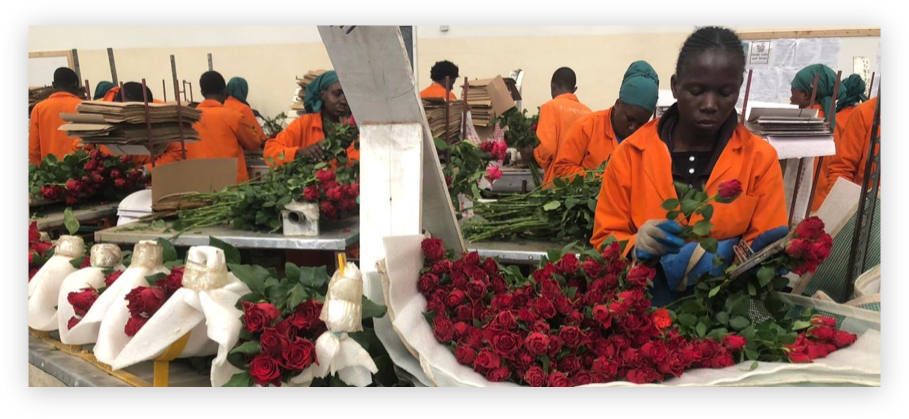
On the other side of the world in Naivasha, Kenya, dozens of workers stand side-by-side in matching tangerine orange shirts ready to begin the day’s work. An enormous pack house is filled with truckloads of red roses ready to be prepped and packed for international shipping. Workers wear thick rubber gloves and boots to protect their skin from thorns and residual chemicals encountered on the tender stems. The mostly female crew pack dozens of the popular flower into layers of styrofoam, plastic and paper for the long journey ahead.
Both the local lupines and international roses will find themselves in the hands of Montana residents and blushing brides, unbeknownst of their wildly different origins.
On the other side of the world in Naivasha, Kenya, dozens of workers stand side-by-side in matching tangerine orange shirts ready to begin the day’s work. An enormous pack house is filled with truckloads of red roses ready to be prepped and packed for international shipping. Workers wear thick rubber gloves and boots to protect their skin from thorns and residual chemicals encountered on the tender stems. The mostly female crew pack dozens of the popular flower into layers of styrofoam, plastic and paper for the long journey ahead.
Both the local lupines and international roses will find themselves in the hands of Montana residents and blushing brides, unbeknownst of their wildly different origins.
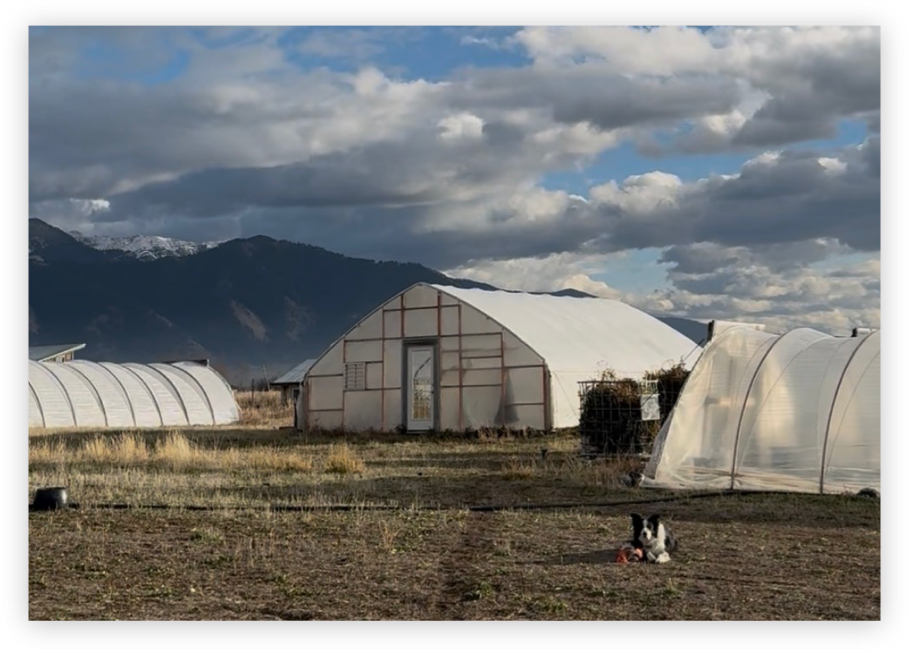
Rathvinden Farm, nestled in the Bridger Mountain foothills in Belgrade, Montana, was built with a unique purpose: to improve the health of the land, the lives of its farmers and the local community through agriculture. Its creator, Fiona Buckley, is a first-generation American, born to Irish parents who immigrated to the United States for greater economic opportunities. In 2011, she bought the 50-acre property northwest of Bozeman later named for her grandparents’ farm in Ireland meaning “fort of the faeries.”
Buckley joined the Montana Organic Growers Association and began studying regenerative farming. Growing regeneratively for Buckley means using natural and organic fertilizers and pest-management solutions, no-till farming, crop rotation and cover cropping. These practices helped Buckley build a farm that nurtures biodiversity, captures more carbon, retains more water, and eliminates harmful run-off.
Buckley joined the Montana Organic Growers Association and began studying regenerative farming. Growing regeneratively for Buckley means using natural and organic fertilizers and pest-management solutions, no-till farming, crop rotation and cover cropping. These practices helped Buckley build a farm that nurtures biodiversity, captures more carbon, retains more water, and eliminates harmful run-off.
By choosing to focus on flowers, Buckley was ahead of her time. Demand for local flowers in the valley has been increasing. To meet this demand, existing farmers are adding flowers to their crop list, and new farmers are entering the market with their backyard flower yields. However, domestically sourced flowers only represent a tiny portion of national flower sales. Over 90% of all flowers sold in America are imported from places like Ecuador, Columbia and Kenya.
While many international flower growers benefit from the ideal growing conditions that exist on high altitude farms close to the equator, they face unique obstacles in growing and transporting those blooms. This often includes heavy herbicide and pesticide use at rates far higher than food, and occasionally with chemicals banned in the U.S. This can have significant health implications across the supply chain, from workers in the field, to florists making arrangements to consumers enjoying holiday bouquets.
However, it’s important to note some international growers buck the trend towards cutting corners to save cost and instead support fair trade practices including implementing safe working conditions and environmental protections while offering sustainable livelihoods for their workers. Unfortunately, this is not the majority of growers, and consumers are rarely given the information about farms and working conditions to make an educated purchase.
While many international flower growers benefit from the ideal growing conditions that exist on high altitude farms close to the equator, they face unique obstacles in growing and transporting those blooms. This often includes heavy herbicide and pesticide use at rates far higher than food, and occasionally with chemicals banned in the U.S. This can have significant health implications across the supply chain, from workers in the field, to florists making arrangements to consumers enjoying holiday bouquets.
However, it’s important to note some international growers buck the trend towards cutting corners to save cost and instead support fair trade practices including implementing safe working conditions and environmental protections while offering sustainable livelihoods for their workers. Unfortunately, this is not the majority of growers, and consumers are rarely given the information about farms and working conditions to make an educated purchase.
The sweet smelling roses passing through the Kenyan workers’ fingers in Naivasha will experience a modern logistical feat delicately balanced on a supply chain of workers, farmers, wholesalers, airlines, cargo ships, traders, florists and supermarkets. This journey has an environmental impact very few consumers appreciate.
On Valentine’s Day alone, over 30 million gallons of airplane fuel are used to import flowers, where they will continue the journey on refrigerated trucks to their final destination.
On Valentine’s Day alone, over 30 million gallons of airplane fuel are used to import flowers, where they will continue the journey on refrigerated trucks to their final destination.
Despite the environmental impact and reported poor working conditions for flower farmers around the world, the consumption habits of the market demand the low prices offered by the imports. Unfortunately, local farmers cannot compete with the cheap labor—some Kenyan farmers earn less than two dollars a day—monocropping, year-round growing season, and unregulated chemicals used internationally to cut costs.
According to the Washington Post, almost 60% of U.S. flower farms have gone out of business since 1992 due to competition with the imported flower market.
Small farms growing flowers in the U.S is not new–but more of a renaissance. Local farms like Rathvinden cannot compete on cost, but they can provide a product grounded on principles of organic farming and healthy labor practices.
“I’m not sure people realize the breadth of what they’re supporting when they choose to buy local flowers,” said Buckley.
Small farms survive on the thinnest profit margins, but their existence helps preserve farmland and green spaces across the country.
According to the Washington Post, almost 60% of U.S. flower farms have gone out of business since 1992 due to competition with the imported flower market.
Small farms growing flowers in the U.S is not new–but more of a renaissance. Local farms like Rathvinden cannot compete on cost, but they can provide a product grounded on principles of organic farming and healthy labor practices.
“I’m not sure people realize the breadth of what they’re supporting when they choose to buy local flowers,” said Buckley.
Small farms survive on the thinnest profit margins, but their existence helps preserve farmland and green spaces across the country.
“Part of the reason I built a farm here is to make sure that no one turns it into a housing development,” Buckley added, gesturing to the breathtaking 360-degree mountain views, the chirping birds and the sounds of the creek running through the grasslands encircling the farm.
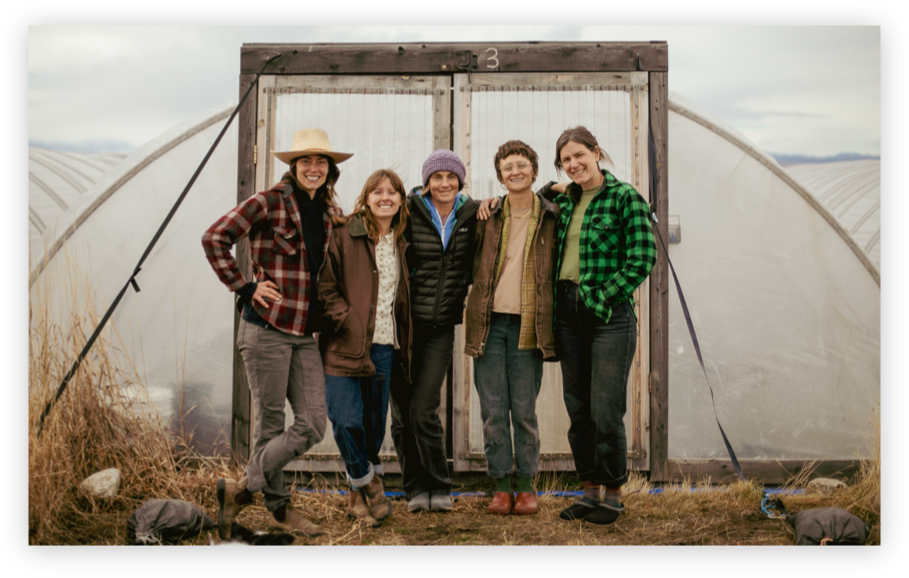
Rathvinden is currently operated by a small but highly qualified team of women whose professional credentials include photojournalism, public relations, mycology, grant writing, web design, and a medical doctorate, to say nothing of decades of farming experience.
“Every member of my team is making a financial sacrifice to farm because they believe in what we do—in the health of nurturing life from seed and because they want to share that with their community,” Buckley explains.
Rathvinden is currently operated by a small but highly qualified team of women whose professional credentials include photojournalism, public relations, mycology, grant writing, web design, and a medical doctorate, to say nothing of decades of farming experience.
“Every member of my team is making a financial sacrifice to farm because they believe in what we do—in the health of nurturing life from seed and because they want to share that with their community,” Buckley explains.
The added cost for local flowers covers the care and attention paid to the health of the entire ecosystem in which the flowers grow, the time to manage weeds and pests without chemicals, the living wage for staff members to do what they love, the flowers in your bouquet to be picked at exactly the right growth stage and the delicate and heirloom floral varieties unique to this location. The product that lands on a tablescape in June will look and feel like it just left the vibrant field, because it did.
The list of factors working against the profitability of small, local farms in Montana is long, not least of which is the limited growing season. While the growing season in Southwestern Montana is a little over three months, the team at Rathvinden can extend that through planting in hoop houses, using reusable row covers and starting seeds in a heated greenhouse. In a typical year, Rathvinden’s first flowers arrive in early April and their last stems are cut at the end of October.
While fresh flowers are difficult to grow in the winter without significant energy use, Rathvinden sells dried flowers in the off season. The local market for dried wreaths, bouquets, garlands and more is gaining attention with winter brides even requesting the unique offerings for their bouquets and table settings.
“Some folks prefer a dried bouquet to a live one for their wedding because they can keep it forever,” said Lenz. Rathvinden’s team sold more dried flowers this year than in all previous years combined.
Though the international flower market will continue to have cost advantages, the values many of these farms uphold are antithetical to some conscious consumers’ ideals. Opting to support a small flower farm is an investment in the local community and economy, as well as the health, sustainability and future of the land.
Flowers continue to drive a thriving market because they’ve been shown to inspire joy and hope, beauty and peace. Flowers are symbols of life and evidence of resilience and adaptability. Purchasing a Rathvinden flower subscription or working with florists who prioritize sourcing local flowers ensures the product that ends at the altar or in the hands of a loved one embodies all the health and values it represents.
The list of factors working against the profitability of small, local farms in Montana is long, not least of which is the limited growing season. While the growing season in Southwestern Montana is a little over three months, the team at Rathvinden can extend that through planting in hoop houses, using reusable row covers and starting seeds in a heated greenhouse. In a typical year, Rathvinden’s first flowers arrive in early April and their last stems are cut at the end of October.
While fresh flowers are difficult to grow in the winter without significant energy use, Rathvinden sells dried flowers in the off season. The local market for dried wreaths, bouquets, garlands and more is gaining attention with winter brides even requesting the unique offerings for their bouquets and table settings.
“Some folks prefer a dried bouquet to a live one for their wedding because they can keep it forever,” said Lenz. Rathvinden’s team sold more dried flowers this year than in all previous years combined.
Though the international flower market will continue to have cost advantages, the values many of these farms uphold are antithetical to some conscious consumers’ ideals. Opting to support a small flower farm is an investment in the local community and economy, as well as the health, sustainability and future of the land.
Flowers continue to drive a thriving market because they’ve been shown to inspire joy and hope, beauty and peace. Flowers are symbols of life and evidence of resilience and adaptability. Purchasing a Rathvinden flower subscription or working with florists who prioritize sourcing local flowers ensures the product that ends at the altar or in the hands of a loved one embodies all the health and values it represents.