Photos courtesy of Katie Thomas

By Katie Thomas
Yellowstone Park is a majestic and rugged place. It hasn’t been shaped and molded by humans, making its landscape some of the most wild, natural on earth – hence the draw. But roughly 67% of the park’s 4.8 million annual visitors are first-timers, and many aren’t prepared for Yellowstone’s vast and varied terrain, its altitude, and its often-unpredictable weather. As any good worrywart knows, it only takes a split second for things to change in the outdoors. A sunny hiking excursion, for example, can become a hailstorm in the blink of an eye, and you could really regret that choice to wear flip flops on the trail.
Yes, this happened to me once. And I’ve since learned what to wear and not wear in the park, through different times of year and in all types of weather. Like the maps and “Don’t pet the wildlife” flyers handed out at the entrance gates, maybe one day there will be a brochure about how not to dress while exploring Yellowstone. True, you’d have already packed, but you’d now be better informed and perhaps make different apparel choices before heading into the great outdoors.
Yes, this happened to me once. And I’ve since learned what to wear and not wear in the park, through different times of year and in all types of weather. Like the maps and “Don’t pet the wildlife” flyers handed out at the entrance gates, maybe one day there will be a brochure about how not to dress while exploring Yellowstone. True, you’d have already packed, but you’d now be better informed and perhaps make different apparel choices before heading into the great outdoors.
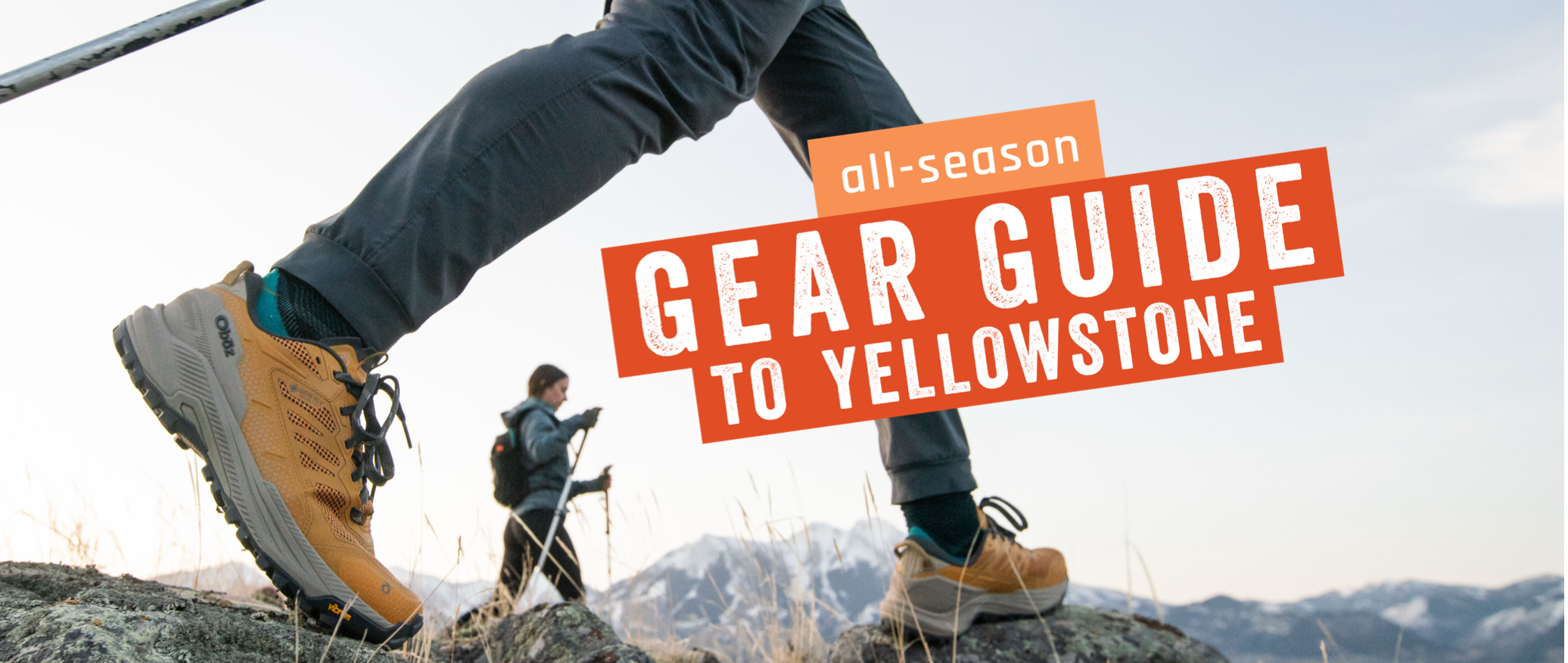
Consider your feet, the most important vehicle most of us depend on in the park. Getting to Yellowstone’s main attractions requires at least some walking, as you can’t drive right up to Grand Prismatic Spring or Old Faithful. You’re going to want footwear that is comfortable and sensible – this isn’t the time to show off those expensive Rockies Rebels cowboy boots you got in Big Sky. For walking around boardwalks and small day hikes, I like the Katabatic and Crosscut lines by Obōz, a local Bozeman company. There are several varieties to choose from, and they’re attractive yet gentle on the soles. For hiking or backpacking, I recommend Obōz’s Bridger Peak GTX boot.
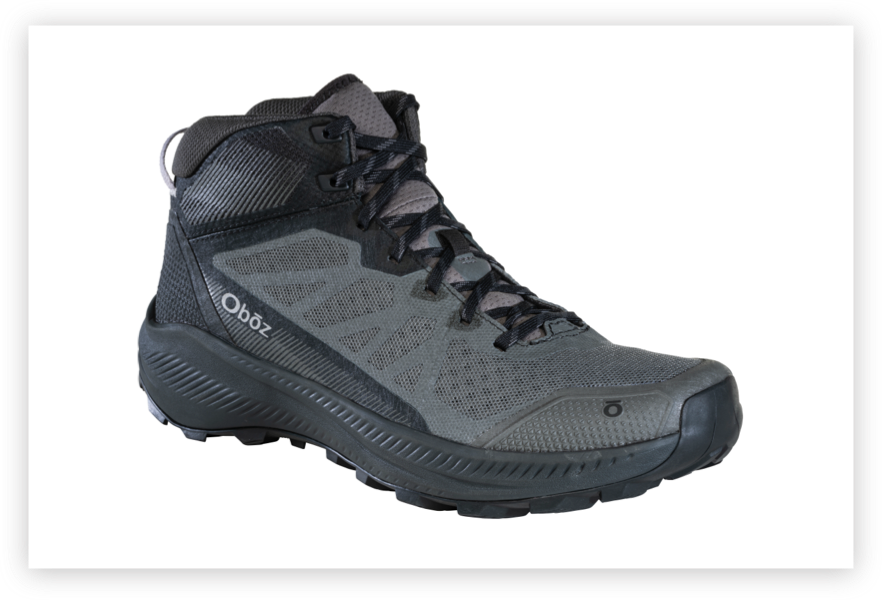
Katabatic LT Mid by Obōz
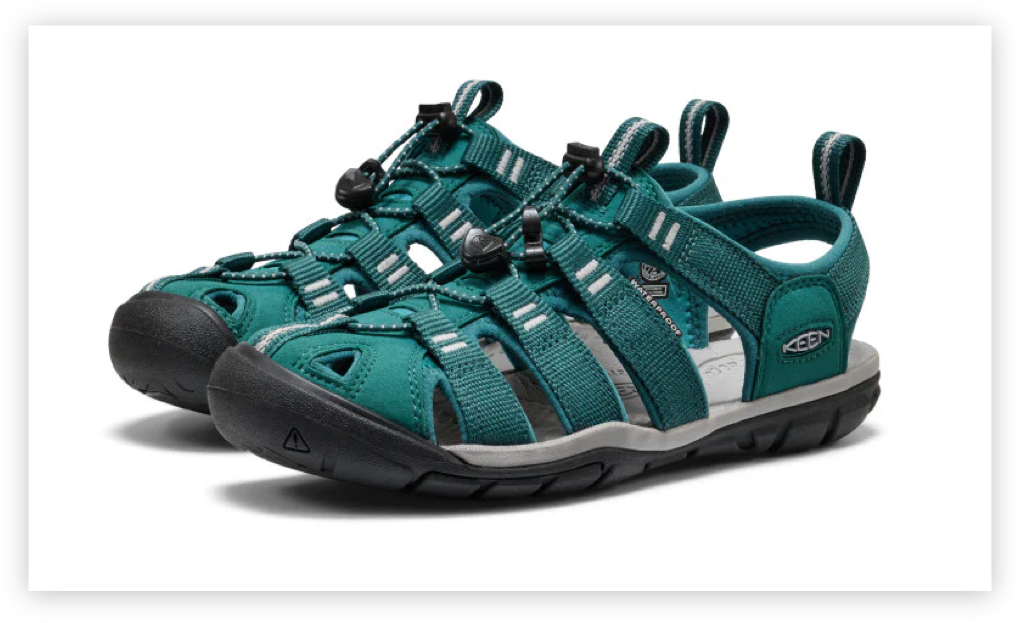
Newport H2 by Keen
I also like to have options, depending on what I’ll be doing in the park. If I plan to be in the water, I always bring my Newport sandals by Keen Footwear. This shoe is like having a tire on your toe: it’s sturdy, designed for water-walking, and is especially perfect for navigating river rocks. In the winter, you’re going to want proper snow boots – the Ousel Mid Insulated waterproof Obōz are my favorite. Darn Tough and Smartwool are my preferred socks.
Most times of the year in Yellowstone, layers are your friend. You may end up in a tank top by noon in the July and August levels of heat, but even summer mornings can necessitate covering your extremities until the scorching afternoon sun kicks in. I usually start with a base layer, such as Stio’s Hylas hooded pullover, covered by a fleece and a down vest. For more protection, I might bring along a windbreaker, like prAna’s Heritage Wind Anorak, or a puffy coat. The nice thing about this plan is that you can add or shed layers as needed, keeping comfy throughout the day and evening.
It’s always tragic to see people wandering Yellowstone in jeans. I recognize that denim is a safe space for many; however, with today’s technology, why not wear something practical? On a balmy day, I love my Stio Board Pants, which have drawstring ankles that you can tighten and pull up around the knees for wading. For something a little more robust, the Fjallraven Keb Curved Trousers are a good choice for a steep trail hike or fishing trip. I always have a pair of shorts on hand to change into later, because that strong mountain sun likes to pop out when you least expect it. If you’re skiing in Yellowstone during the winter, you’ll want some proper snowpants, such as Arc’teryx or North Face.
It’s always tragic to see people wandering Yellowstone in jeans. I recognize that denim is a safe space for many; however, with today’s technology, why not wear something practical? On a balmy day, I love my Stio Board Pants, which have drawstring ankles that you can tighten and pull up around the knees for wading. For something a little more robust, the Fjallraven Keb Curved Trousers are a good choice for a steep trail hike or fishing trip. I always have a pair of shorts on hand to change into later, because that strong mountain sun likes to pop out when you least expect it. If you’re skiing in Yellowstone during the winter, you’ll want some proper snowpants, such as Arc’teryx or North Face.
Finally, our heads. Sauce Active, another Bozeman company, sells colorful, quick-drying hats that can be folded or scrunched up to fit in your pocket. For summer, there are several options: the lightweight Switchback Cap and Saucy Visor, which both offer full head protection, and the Flight Visor, which has an elastic band at the back, making it stretch comfortably to fit your head. In wintertime my personal go-to is the Chill Toque. It’s fleece-lined inside, with a smooth top and optional vent (or high ponytail opening, if that’s your style). Sauce hats are extremely practical and cozy, and come in many different patterns and colors.
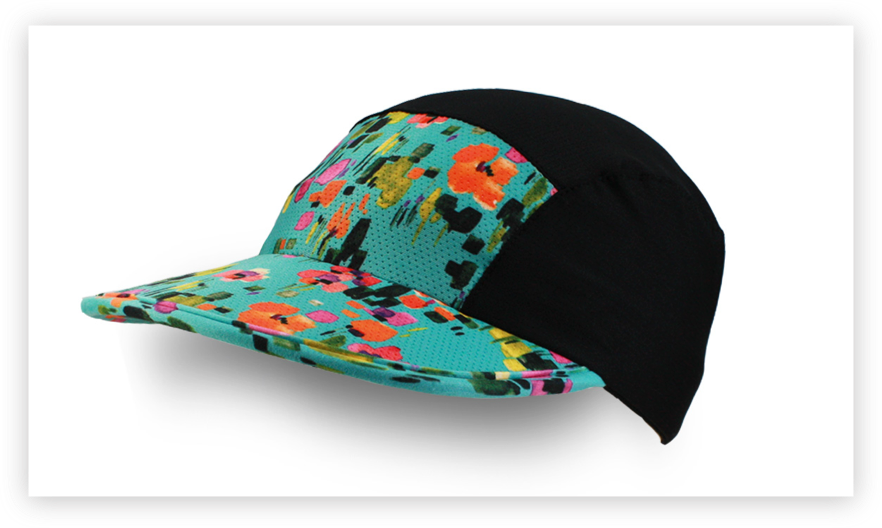
Switchback Cap by Sauce Active
These are just a few examples of clothes that are comfortable, accessible, and easy to move in. With all the excellent clothing options today, there’s really no excuse not to plan and dress for the park wisely. Unless your only mission there is to sit in the hotel lobby and people-watch, you’re likely going to be moving your body, and you might even get a little dirty. So, plan accordingly, have fun, be safe, and don’t forget to pack your common sense!