Photos courtesy of Montana State University Archives & Special Collections

By Fischer Genau
In 1932, America was in the grips of the Great Depression. The unemployment rate passed 23%, banks were failing, shantytowns were popping up all over the U.S., and breadlines for the hungry kept growing longer and longer. But in Yellowstone National Park that summer, things felt different for a small group of seasonal workers.
“You know Bernice, that ’32 has been a perfect year,” wrote Midge Ryan to her friend Bernice Koch in her Yellowstone yearbook. “I’ve enjoyed knowing you so much this summer…The Fairy band is breaking up but we’ve got to be all here next year, don’t we?”
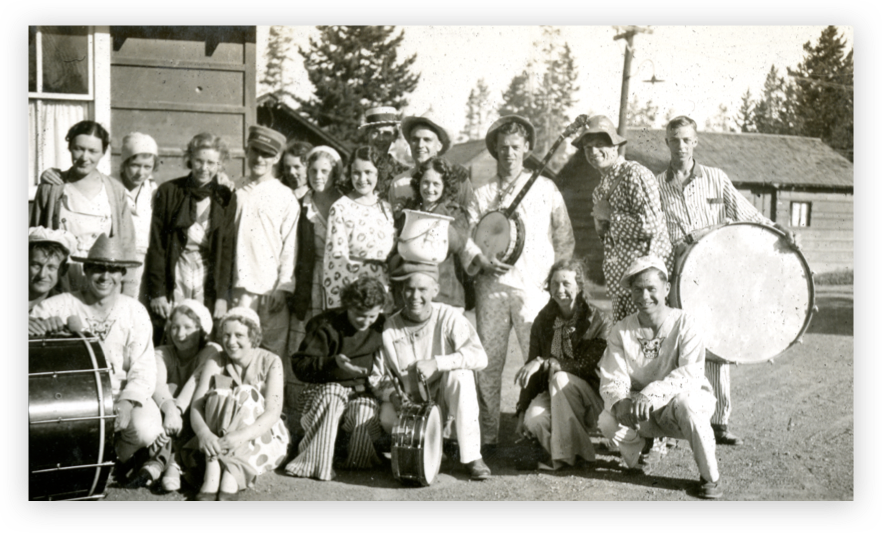
Bernice was a 21-year-old from a small town in southern Illinois, and she’d moved out to Yellowstone for the summer to work as a waitress. When she arrived, she met a colorful array of other young adults hailing from all over the country and thrown together that summer in one of America’s greatest wild places. They called themselves savages.
“You know Bernice, that ’32 has been a perfect year,” wrote Midge Ryan to her friend Bernice Koch in her Yellowstone yearbook. “I’ve enjoyed knowing you so much this summer…The Fairy band is breaking up but we’ve got to be all here next year, don’t we?”
Bernice was a 21-year-old from a small town in southern Illinois, and she’d moved out to Yellowstone for the summer to work as a waitress. When she arrived, she met a colorful array of other young adults hailing from all over the country and thrown together that summer in one of America’s greatest wild places. They called themselves savages.
Lingo
“Savages” was the name seasonal workers in Yellowstone gave to themselves, and it persists to this day. But that wasn’t the only slang term used there in Bernice’s time. In fact, the workers had a name for every job in the park. Porters, who handled luggage for guests who were arriving by train or by stagecoach, were called “pack rats,” while laundry workers were dubbed “bubble kings” and “bubble queens.” Dishwashers were “pearl divers,” bus drivers were “gear-jammers,” waitresses were called “heavers,” and lodge maids, who mostly cleaned room in park hotels and lodging, got the moniker “pillow punchers.” Savages even had a special word for when two of them got a little frisky: “rotten-logging.”
Park Traditions
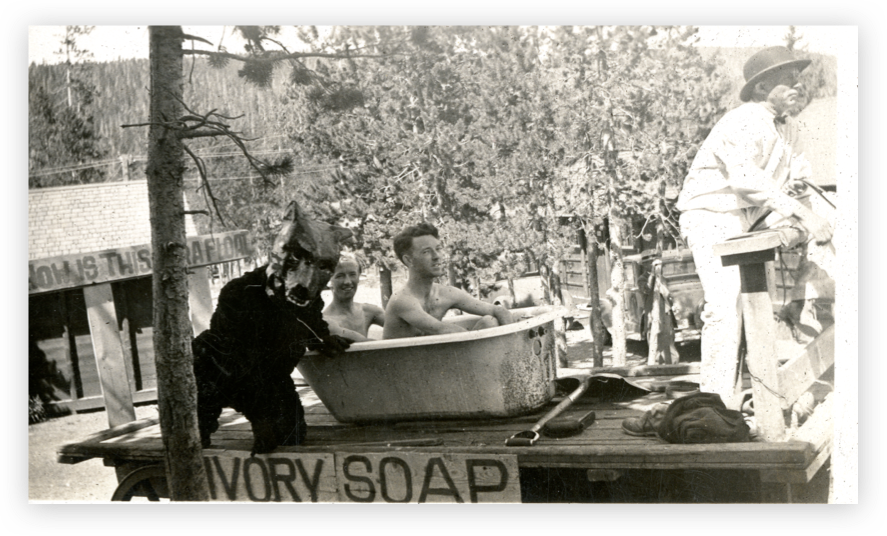
Seasonal workers in Yellowstone during the 30s and 40s had their own set of unique traditions and celebrations, none more famous than “Savage Days.” During this event, park employees congregated at Old Faithful Lodge and hosted a parade, promenading down the street on floats of their own design, like this Pearl Diver’s float sporting a man in a bathtub and some kind of masked creature. This tradition lasted all the way up until the 1950s, when Park officials retired it because they thought it was getting too rowdy for the tourists (Savage Days was an employee-only celebration). Savages also hosted fashion shows and talent shows, and they went all out—the men in particular seemed to really like wearing dresses.
Wildlife (Mis)management
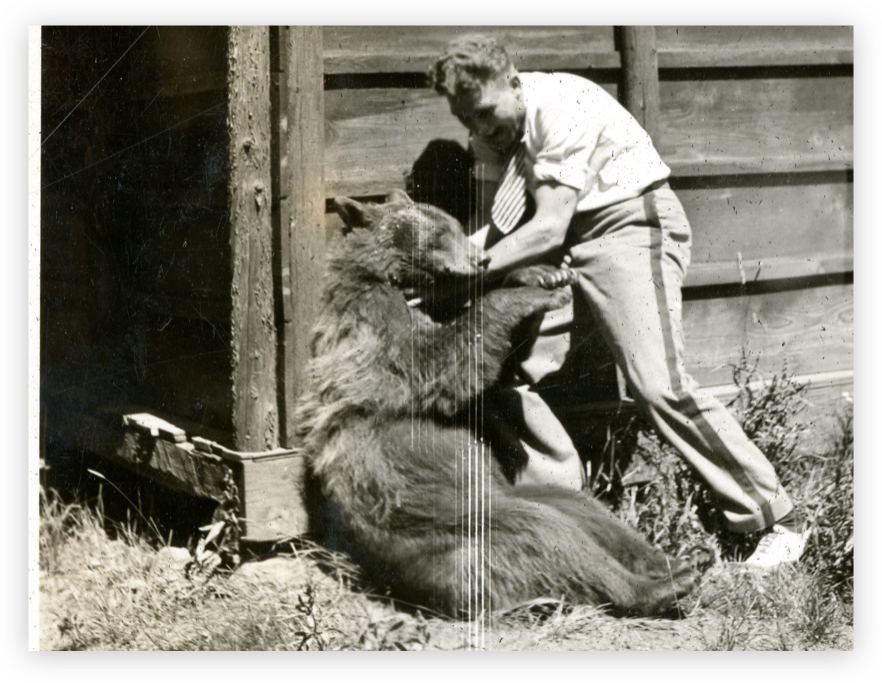
Policies around interacting with the wildlife used to be much more lax—it was generally acceptable for park employees to feed animals scraps from the kitchen, or, apparently, pretend to have a tickle fight with a dead black bear. During the 30s, Yellowstone even hosted bear-feeding shows at the local garbage dumps for tourists to watch. But this laissez-faire approach had some serious consequences. From 1931 through the 1960s, park staff logged an average of 48 bear-inflicted human injuries each year (for reference, today that number’s down to about one).
Employee Context
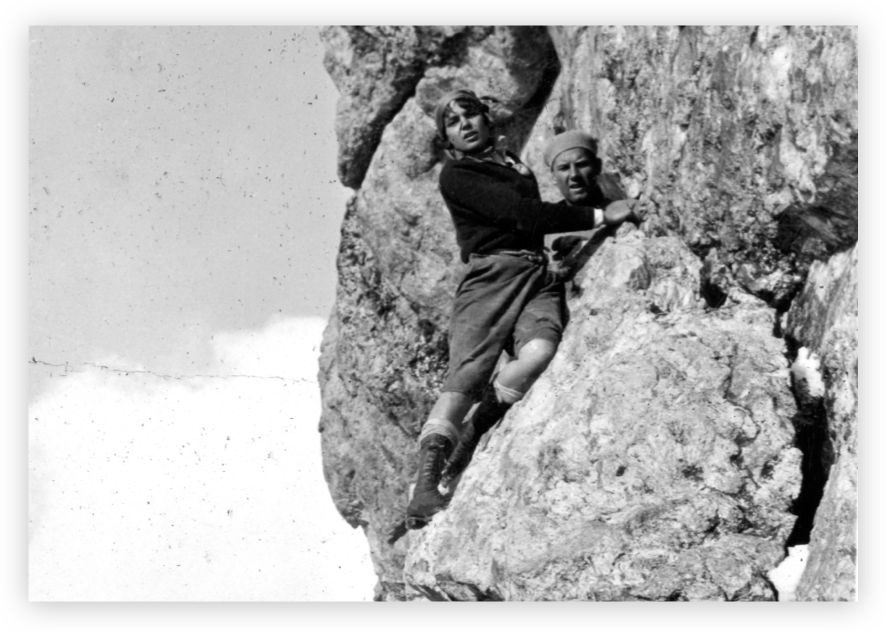
Seasonal workers in Yellowstone in the 1930s, similar to today, had a variety of hometowns and backgrounds. Other people in Bernice’s yearbook included Leda, the big girl from Nebraska, and a Mr. Lenaux from Seattle. Many who traveled to Yellowstone came seeking relief from the Great Depression, and they found it there. However, many of them were met with hardship upon returning home. Millions of American men went straight from the Great Depression into World War II, and many of them never returned from across the ocean. Still, the faces smiling out from the pages of Bernice’s scrapbook show them in the prime of their youth, scaling rock faces, beholding geysers, and making the most of a difficult chapter in American history.