All photos by Annie O’Neill

By Annie O’Neill
Hemmed in by mountains and shaped by long winters, Cooke City remains one of the Greater Yellowstone Ecosystem’s most isolated—and enduring—communities.
There is no cell service to speak of here, and that is more or less the point.
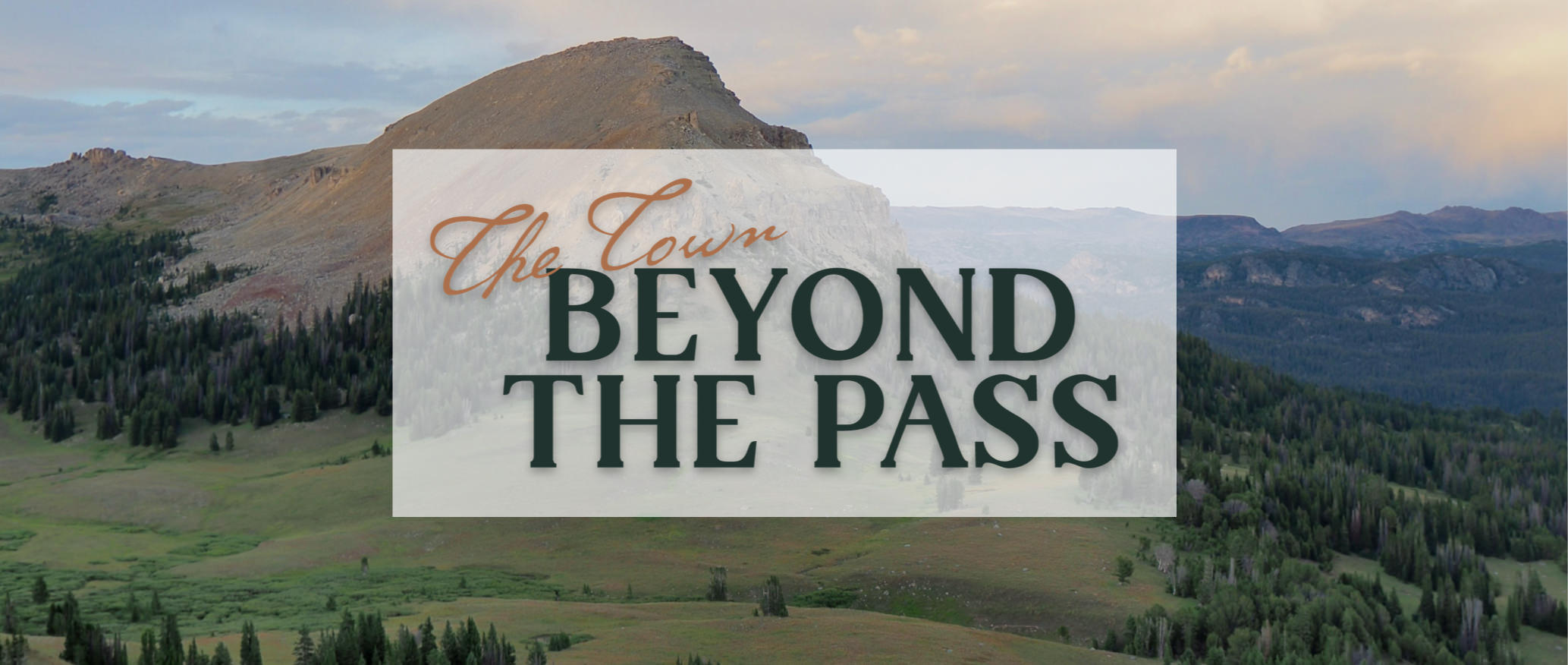
Cooke City sits at 7,600 feet, hemmed in by the Absaroka and Beartooth Mountains, reachable by two roads that carve through some of the most dramatic mountain passes in the country: the Beartooth Highway and the Chief Joseph Scenic Byway. The Beartooth climbs to nearly 11,000 feet above treeline and through alpine tundra, and the Chief Joseph comes in from the northeast, tracing part of the route the Nez Perce took in their 1877 flight from the U.S. army. Both roads are seasonal, closing abruptly to weather, which is part of why Cooke City feels so remote.
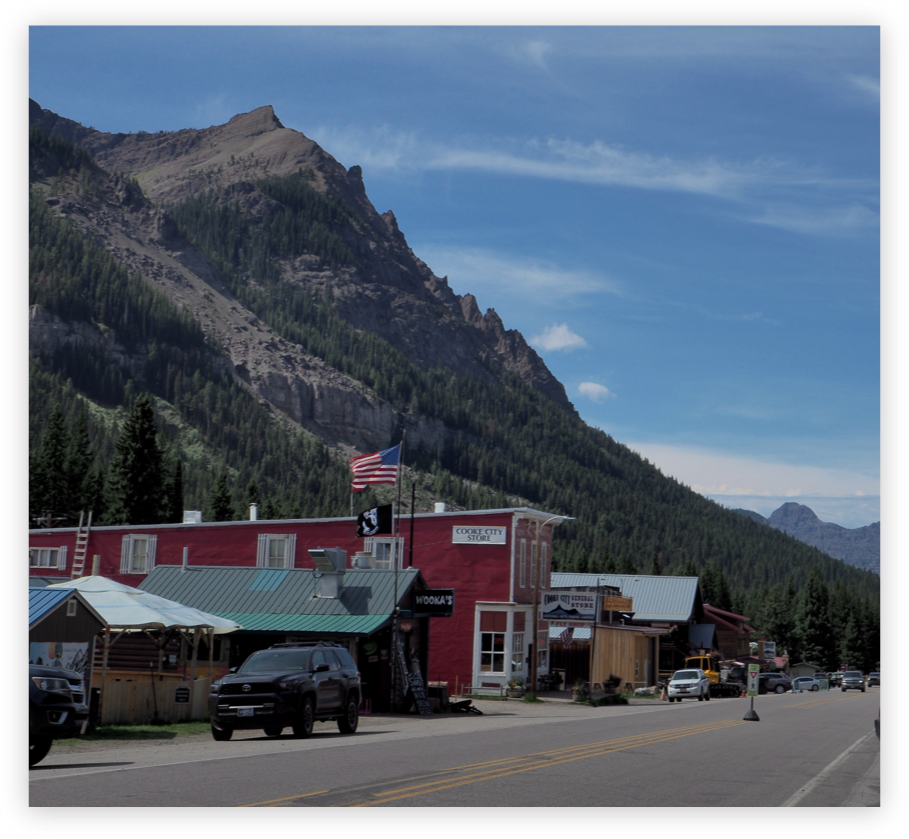
Cooke City lacks the amenities one might expect in a town bordering Yellowstone. The Northeast Entrance bordering the town is the least trafficked entrance to the park. There’s no cell service, and the town itself is unincorporated: no mayor, no city government, and a population of roughly 100 year-round residents. The fire department is made up entirely of volunteers, and the general store still runs a tab for locals. There’s a phone booth outside the local spot, Hoosier’s Motel & Bar. Almost as if it is locked in time, Cooke City holds onto all that Old Montana once was, a taste of the Wild West.
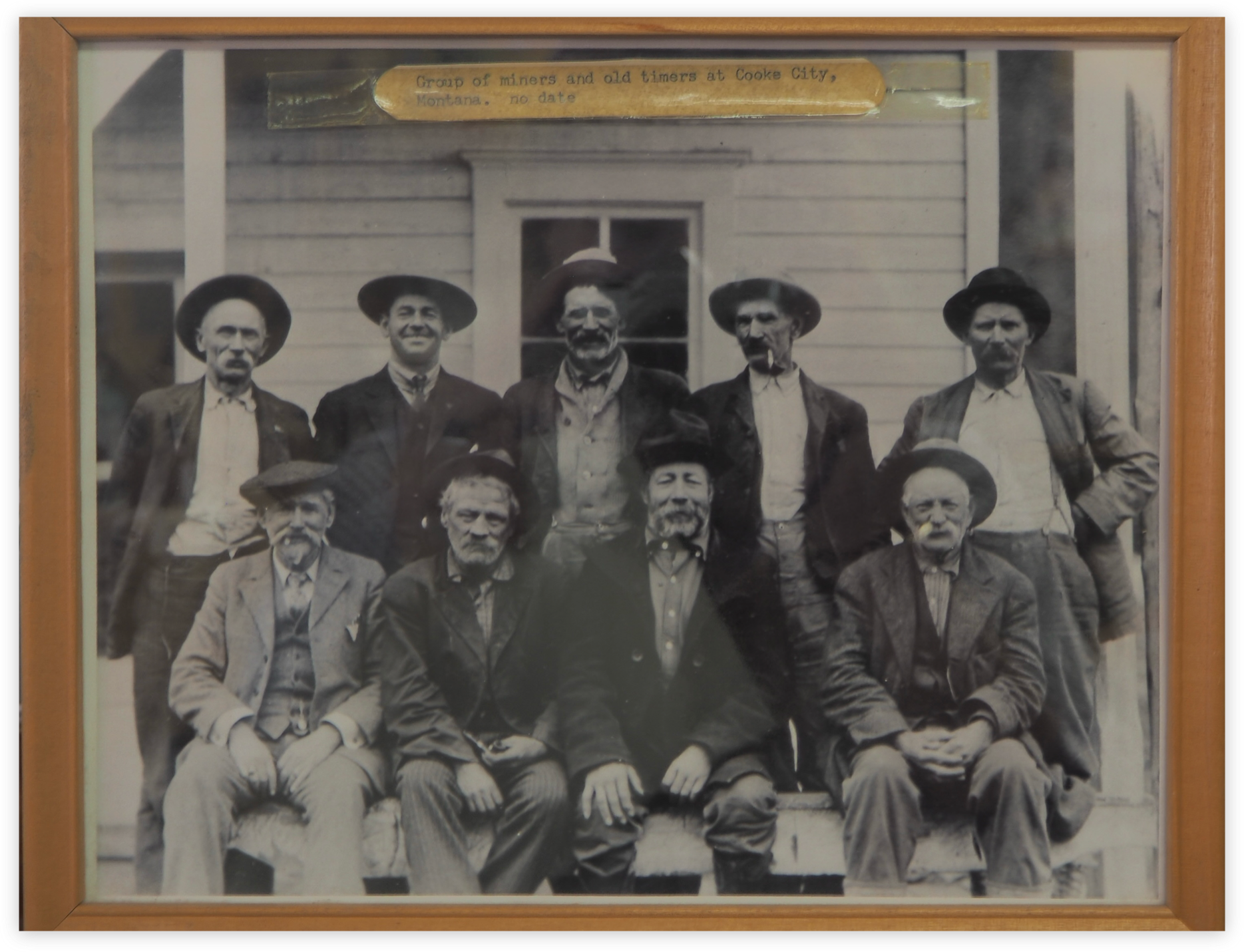
Cooke City’s roots stretch back to 1874, when prospectors found rich mineral deposits in the Beartooth Mountains, and the settlement that formed around the discovery became known as the “New World” mining district. First called “Shoo Fly,” after its most productive mine, the town was renamed Cooke City by 1880 in honor of investor Jay Cooke Jr. Gold, copper and lead-silver ore were mined through the late 1880s, though gold was often just a byproduct of the copper and lead, not the main draw. The population swung wildly in those years, from as few as 20 to as many as 1,000, driven by the unpredictable nature of mining and the harsh winters that came with it.
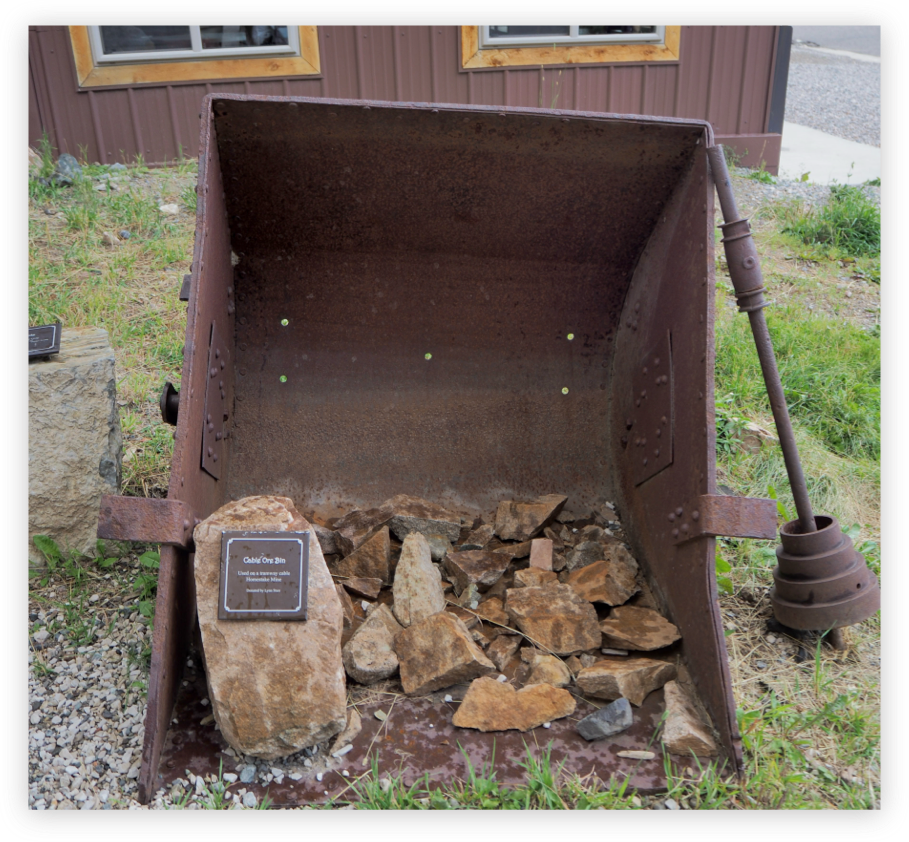
That history is still on display today: the Cooke City Montana Museum’s outdoor “Backyard Tour” walks visitors past cable ore bins, a ten-stamp mill, a smelter pot, a jail door, hoisting buckets, ore chutes and hand carts once run by tramway cable down to the smelter. Inside, the museum covers everything from mining and schooling to Cooke City’s coldest winter.
There are still traces of those mining days in the heart of town.
Founded in 1886 and registered on the National Register of Historic Places in 1986, the Cooke City General Store has been supplying the community for generations. Current owner Troy Wilson has been behind the counter for nearly 30 years. Behind him are remnants of the past: old pharmaceutical shelves and hundreds of photographs charting Cooke City’s history along the walls. One old shelf is still labeled “gun powder.” It’s a classic place. “We still do a charge account,” Wilson said of the old-school method of keeping a tab for locals.
The store has passed through many hands since 1886. “It’s 140 years old,” Wilson said. “I don’t want to kill the history of this.”
Wilson wears many hats in Cooke City. He’s not only the general store owner, but also the volunteer fire chief. People even call him “the mayor,” though the town has none. Twelve years ago, when Wilson took over the fire department, they had cracked gear, a truck from the 1960s and six volunteers. Since then, they’ve upgraded to entirely new rigs and introduced EMS to the area for the first time. Before Wilson, there was simply no EMS; if anything happened, the nearest help was anywhere from 1.5 to 3 hours away. And the two jobs collide constantly. When the radio page goes off, Wilson has to go, and so does anyone in the general store.
But what speaks loudest in Cooke City is raw, unfiltered access to nature. From virtually anywhere in town, there’s a view of the Beartooths to the north and the Absarokas to the south, with peaks like Pilot Peak and Index Peak standing out.
Katherine, a local from Kansas in her 14th summer in Cooke City, says the area has the “coolest hike in the Lower 48,” a 26-mile route called “the Beaten Path.” As she put it, “you can basically go up the Beartooths on foot.” The tallest mountain in Montana lies just outside town, too. Granite Peak, looming at 12,807 feet, draws mountaineers each year for climbs that often take in nearby Skytop Peak as well.
Katherine, a local from Kansas in her 14th summer in Cooke City, says the area has the “coolest hike in the Lower 48,” a 26-mile route called “the Beaten Path.” As she put it, “you can basically go up the Beartooths on foot.” The tallest mountain in Montana lies just outside town, too. Granite Peak, looming at 12,807 feet, draws mountaineers each year for climbs that often take in nearby Skytop Peak as well.
There’s also been a lot of positive environmental change here. The buffalo have returned to Lamar Valley. “When I was a kid up here, we did not have any buffalo,” Wilson said. “Now it’s insane.”
Cleanup and reclamation efforts in the ‘90s cleared decades of mining contaminants out of Soda Butte Creek and brought the fishing back; now, Wilson says, “it’s the best.”
Wolves have been reintroduced to Yellowstone, reshaping the local elk herds and hunting patterns. Wildlife spotting remains a constant draw for photographers and casual visitors, with plenty to see and do throughout the Lamar Valley.
At Lulu Pass, wildflowers bloom in abundance, with “more of them than you can imagine,” Katherine said. Beyond that, there’s the museum’s mining relics, fly-fishing, and ATV trails that reach farther than any snowmobile route, plus hunting and mushroom foraging for those willing to look.
Not everyone in Cooke City wears two hats behind a counter. Down Main Street at the Beartooth Cafe, open since 1979, there’s Sydney, who grew up in Cooke City and now works at her family-owned restaurant. They make all their baked goods in house, and their menu is adorned with Montana classics, like bison and fresh rainbow trout. She attended the Cooke City School and was one of six kids in the one-room schoolhouse with one teacher. Asked what it’s like as a young person here, she said it’s “tons of fun, time outside, paddleboarding and hiking.” She left for school and came back anyway. “The mountains and the good people keep me coming back,” she said.
A few doors down, the bars carry their own history of Cooke City. At the Miner’s Saloon, the crowd running the length of the bar most evenings is often fly fishermen seeking refreshment after a day on the water.
Motorcycles are a constant presence on Main Street in summer, and it’s not hard to see why: Cooke City sits at the meeting point of two of the most scenic rides in the country, the Beartooth Highway and the Chief Joseph Scenic Byway. Scott and Debby Newman, of Sheridan, Wyoming, are the kind of riders who keep the loop alive year after year. They’ve ridden the Chief Joseph-Beartooth loop many times, stopping overnight in Cooke City before pushing on to Red Lodge, Montana, the next morning. Debby, now in her 70s, didn’t learn to ride until she was 50; her first bike was a Harley. Two decades later, the loop is still worth the trip.
And some never leave at all. Katherine, now splitting her year with the Seattle area, is in her 14th summer in Cooke City. She came, met someone, opened the Sideshow, a local shop selling handmade souvenirs, and stayed. An avid hiker, she spends much of her free time on the trails threading up into the Beartooths right outside town. “We consider Yellowstone our front yard,” she said.
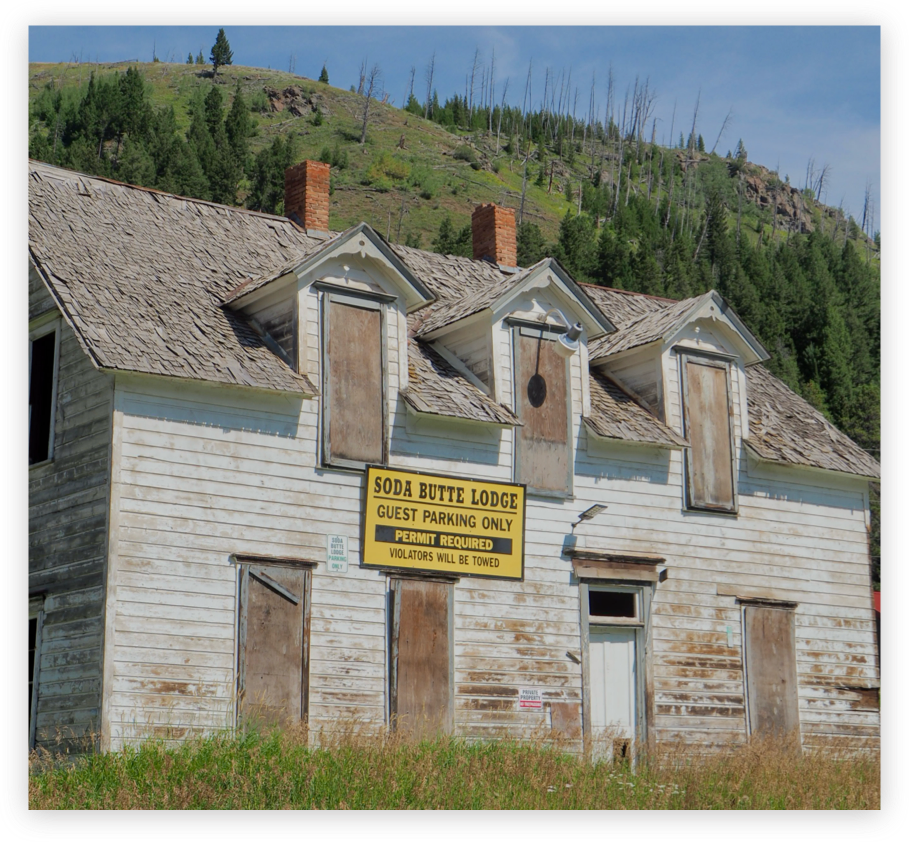
The town has survived a lot, too. During the 1988 Yellowstone fires, ground crews saved all but two structures in Cooke City, with burn scars still visible as remnants around town. The 2022 Yellowstone flood was another natural disaster, happening during the park’s 150th anniversary year and dropping visitation by 32%, a serious hit for a town that depends heavily on summer tourism. Even so, Wilson called it one of his “favorite years,” because the community really pulled together.
There’s no stoplight in Cooke City. Drive in, and the first thing you see isn’t a welcome sign so much as a warning: a handwritten board reading “bear in town,” propped up at the edge of Main Street. Your phone still won’t find a signal anywhere in town. The tab at the general store is still handwritten. The buffalo are back in Lamar Valley, and wolves too. The town has outlasted fires, a flood and its mining past. What remains is an authentic stretch of Montana, unspoiled wilderness and old-fashioned energy well worth the drive.
There’s no stoplight in Cooke City. Drive in, and the first thing you see isn’t a welcome sign so much as a warning: a handwritten board reading “bear in town,” propped up at the edge of Main Street. Your phone still won’t find a signal anywhere in town. The tab at the general store is still handwritten. The buffalo are back in Lamar Valley, and wolves too. The town has outlasted fires, a flood and its mining past. What remains is an authentic stretch of Montana, unspoiled wilderness and old-fashioned energy well worth the drive.