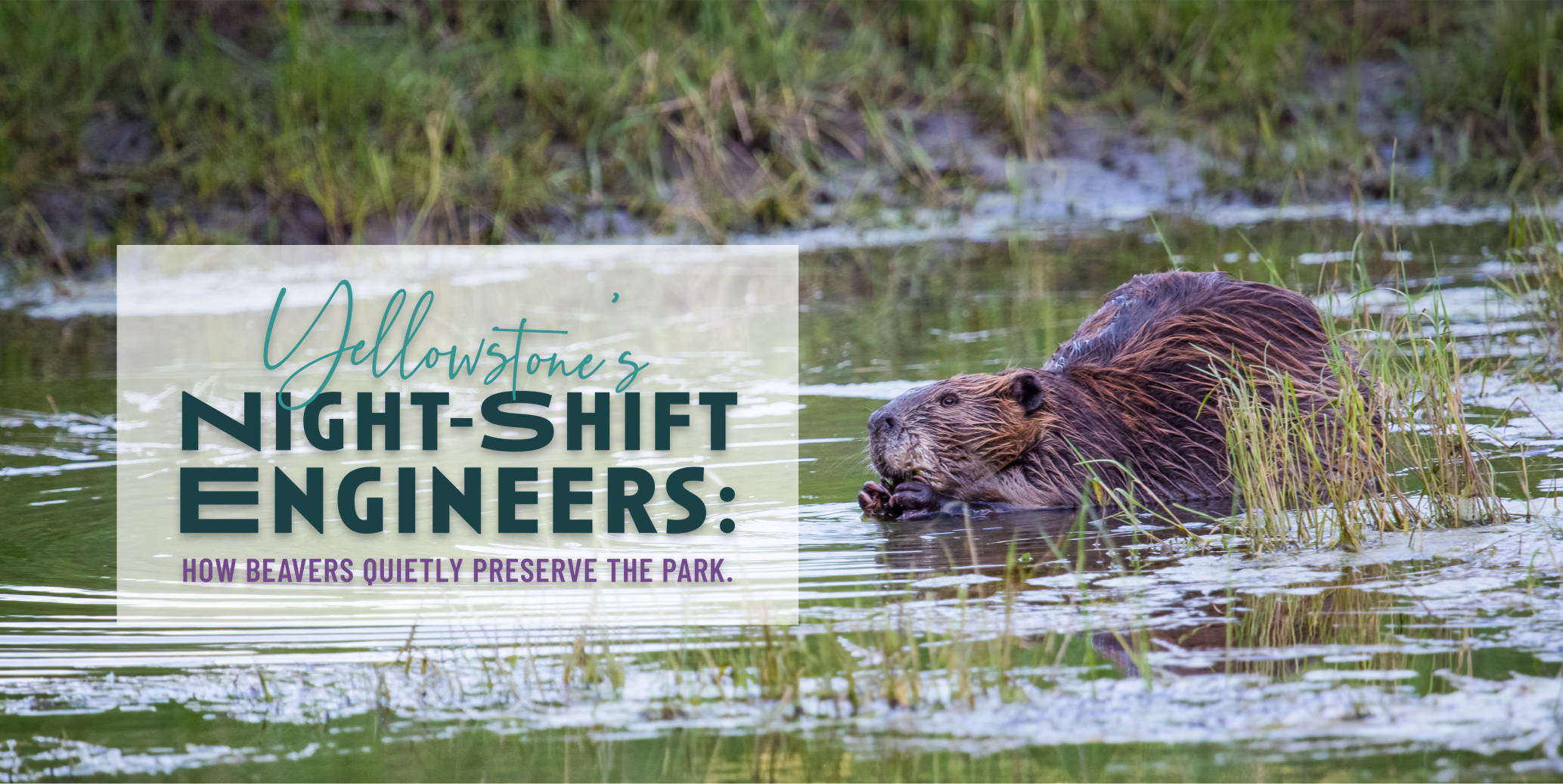
Beaver, Lamar River. PHOTOS COURTESY OF NPS/NEAL HERBERT

By Sarah May
As the sun sets in Yellowstone, the visitor shops and museums close up for the night, and the adventure weary tourist returns to their sleeping quarters. It is only after the sunlight fades that the unsung hero of Yellowstone begins to work. The conservation engineering team is busy building pathways to float chopped logs and branches down the river toward their holding place. They keep busy checking on existing infrastructure, making needed repairs as they work well into the night. They work in collaboration with each other to build the natural infrastructure, helping restore the environment for the betterment of all who inhabit the park. The engineering team is one composed of a few hardworking beavers.
While the bison and wolves are regularly voted the most popular animals in the park, it is the often-overlooked beaver who is the superpower of Yellowstone. Being a keystone species, beavers are an animal whose natural behaviors significantly improve ecosystem health and promote biodiversity. Long before President Roosevelt declared Yellowstone a National Park, the beavers were working hard at creating the lush diversity among the landscape visitors enjoy today.
According to fossil records, a variety of beaver species roamed the Earth for nearly 10 million years. However, that once diverse group is now down to just one species. In the 1700s and 1800s, the fur trade became an important industry in the American colonies. Beaver fur, prized for its density, was especially valuable for hat making in Europe. While the hunt for beavers enticed trappers like John Colter to head west and the sale of fur stimulated the economy, unbeknownst to humans, the environment was quietly deteriorating.
While the bison and wolves are regularly voted the most popular animals in the park, it is the often-overlooked beaver who is the superpower of Yellowstone. Being a keystone species, beavers are an animal whose natural behaviors significantly improve ecosystem health and promote biodiversity. Long before President Roosevelt declared Yellowstone a National Park, the beavers were working hard at creating the lush diversity among the landscape visitors enjoy today.
According to fossil records, a variety of beaver species roamed the Earth for nearly 10 million years. However, that once diverse group is now down to just one species. In the 1700s and 1800s, the fur trade became an important industry in the American colonies. Beaver fur, prized for its density, was especially valuable for hat making in Europe. While the hunt for beavers enticed trappers like John Colter to head west and the sale of fur stimulated the economy, unbeknownst to humans, the environment was quietly deteriorating.
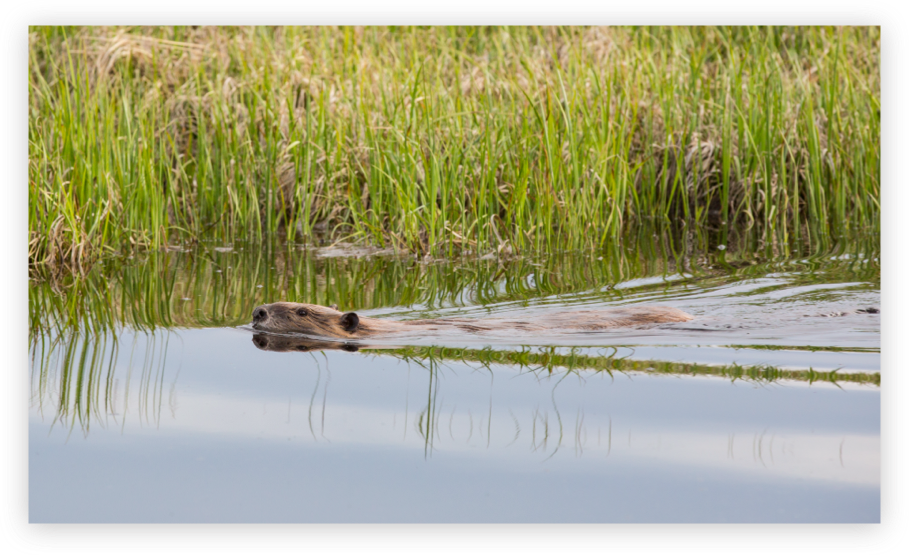
Beaver near Swan Lake. PHOTOS COURTESY OF NPS/NEAL HERBERT
By the mid-1800s, beavers were nearly extinct across much of the United States and Canada as the environment began to reflect the impact the loss of beavers had. Streams that once meandered through wetlands became fast, eroding channels of water, while other water sources ran dry. At first, people didn’t connect the environmental damage to the loss of beavers, but some were starting to take note.
As Europeans began favoring silk hats over fur, fashion trends shifted, the fur trade collapsed, and trapping laws were established, the beaver narrowly avoided complete extinction. In the early 1900s, early conservationists began to realize the effects the beaver had on the environment. Where the beavers disappeared, so did the water.
As Europeans began favoring silk hats over fur, fashion trends shifted, the fur trade collapsed, and trapping laws were established, the beaver narrowly avoided complete extinction. In the early 1900s, early conservationists began to realize the effects the beaver had on the environment. Where the beavers disappeared, so did the water.
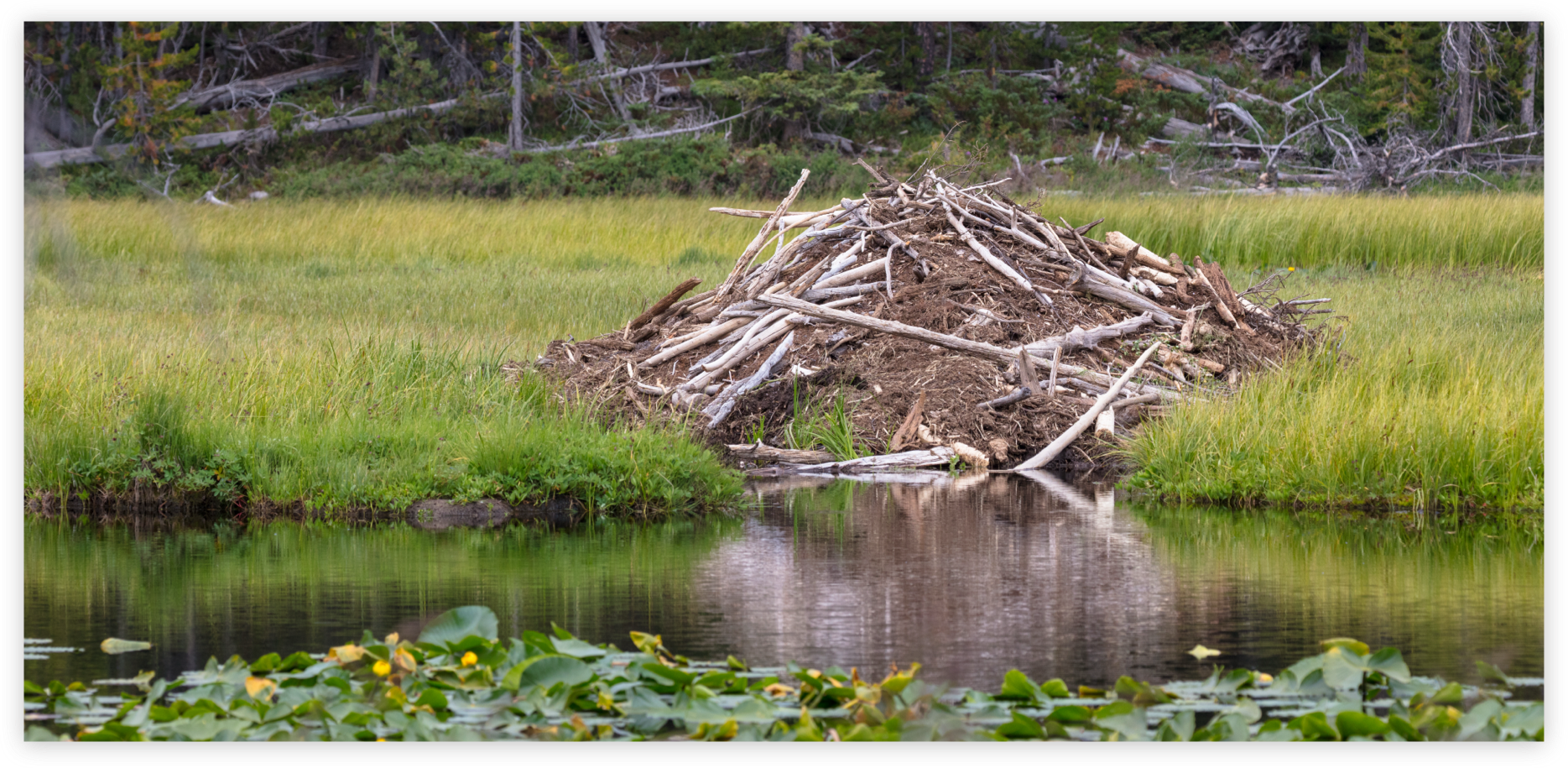
As park visitors, we see a pile of sticks, logs, and various environmental matter piled up in a waterway and do not think much of it, as beaver dams may seem visually underwhelming compared to the other wonders of Yellowstone. However, the unassuming pile of sticks is critical to rehabilitating and maintaining the greater ecosystem.
Beaver dams turn long-flowing streams into a series of small steps and pools, creating resting and feeding zones for various animal life, both land and water alike. Unlike man-made dams, beavers create a dam that is still permeable to water and fish. By slowing the flow of water, the dam eases the effects of erosion on nearby land. As water slows, sediments and pollutants settle out, and microbes in wetland soils break down excess nutrients, cleaning the polluted water before it flows downstream for both animals and humans to consume. A single beaver pond can hold thousands of gallons of water, released gradually over time, helping stabilize the flow of snowmelt and allowing our rivers and streams to remain full all summer long.
With the threat of wildfires every summer, areas with dams have a natural fire break. The wet meadows and saturated soils around beaver ponds can help reduce the impact of the burn and help stop the spread of a wildfire. It has also been observed that after wildfires, beaver-influenced valleys often recover faster from the burn damage.
Beaver dams turn long-flowing streams into a series of small steps and pools, creating resting and feeding zones for various animal life, both land and water alike. Unlike man-made dams, beavers create a dam that is still permeable to water and fish. By slowing the flow of water, the dam eases the effects of erosion on nearby land. As water slows, sediments and pollutants settle out, and microbes in wetland soils break down excess nutrients, cleaning the polluted water before it flows downstream for both animals and humans to consume. A single beaver pond can hold thousands of gallons of water, released gradually over time, helping stabilize the flow of snowmelt and allowing our rivers and streams to remain full all summer long.
With the threat of wildfires every summer, areas with dams have a natural fire break. The wet meadows and saturated soils around beaver ponds can help reduce the impact of the burn and help stop the spread of a wildfire. It has also been observed that after wildfires, beaver-influenced valleys often recover faster from the burn damage.
In Yellowstone’s high plateaus and winding river systems—like the Lamar, Yellowstone, and Madison—beavers built dams that slowed snowmelt, spread water across floodplains, and created lush wetlands. These wetlands have supported populations of willow and aspen trees, as well as waterfowl, fish, and large mammals, for centuries.
Beavers often live in colonies of five to six beavers. Their babies, or kits, are born in late spring and are ready to begin swim lessons around four days old. Shortly thereafter, a gland producing a waterproof fluid is developed for their fur. Now equipped for a life on the river, young beavers begin to learn the family trade of engineering. While out working, if a beaver senses danger, it will slap its large tail on the water to warn the others to be on the lookout for any incoming threat. Young beavers will stay with their parents for about two years before setting off to construct their own dam and establish their own beaver colony.
Beavers often live in colonies of five to six beavers. Their babies, or kits, are born in late spring and are ready to begin swim lessons around four days old. Shortly thereafter, a gland producing a waterproof fluid is developed for their fur. Now equipped for a life on the river, young beavers begin to learn the family trade of engineering. While out working, if a beaver senses danger, it will slap its large tail on the water to warn the others to be on the lookout for any incoming threat. Young beavers will stay with their parents for about two years before setting off to construct their own dam and establish their own beaver colony.
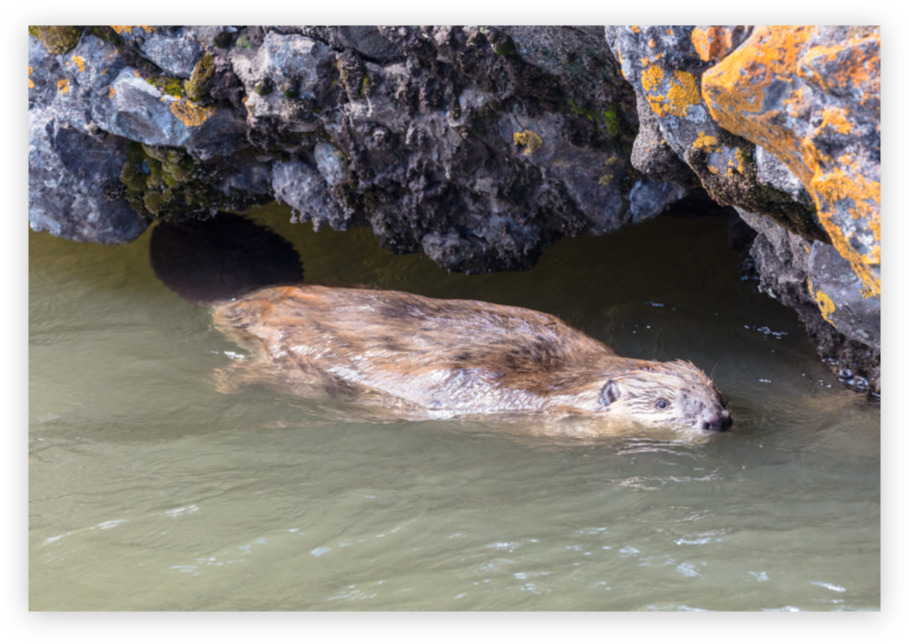
Beaver in Soda Butte Creek PHOTO COURTESY OF NPS / Jacob W. Frank
The first survey of beavers inside the park was completed in 1921, where 25 colonies were observed. Seeing a need for an increased beaver population, 129 beavers were released just north of the park between 1986 and 1999. By 2024, the population grew to 121 colonies.
If you’re hoping to spot these wildlife engineers, you’ll need to be patient. Beavers are most active at dawn and dusk, and they prefer quieter waterways away from heavy traffic. While sightings are never guaranteed, areas such as Beaver Ponds Loop Trail, a five-mile roundtrip trail starting near the Mammoth Hot Springs Hotel, or Willow Park, located between Mammoth and Norris, provide prime habitat for the beavers. Other areas in the park that are hospitable to beavers are Lamar Valley, calmer stretches of the Yellowstone River, and side channels and feeder creeks off the Madison River.
Beavers are not just part of Yellowstone’s past; they are actively preserving its future. Their presence reflects a larger shift in how we understand conservation: protecting not just animals, but the natural processes that sustain entire landscapes. The beaver’s legacy is not loud or dramatic, but it is lasting. In a park celebrated for its geysers and breathtaking landscape, the beaver reminds us that some of the most powerful forces in nature work patiently, out of sight, shaping the land one branch at a time.
If you’re hoping to spot these wildlife engineers, you’ll need to be patient. Beavers are most active at dawn and dusk, and they prefer quieter waterways away from heavy traffic. While sightings are never guaranteed, areas such as Beaver Ponds Loop Trail, a five-mile roundtrip trail starting near the Mammoth Hot Springs Hotel, or Willow Park, located between Mammoth and Norris, provide prime habitat for the beavers. Other areas in the park that are hospitable to beavers are Lamar Valley, calmer stretches of the Yellowstone River, and side channels and feeder creeks off the Madison River.
Beavers are not just part of Yellowstone’s past; they are actively preserving its future. Their presence reflects a larger shift in how we understand conservation: protecting not just animals, but the natural processes that sustain entire landscapes. The beaver’s legacy is not loud or dramatic, but it is lasting. In a park celebrated for its geysers and breathtaking landscape, the beaver reminds us that some of the most powerful forces in nature work patiently, out of sight, shaping the land one branch at a time.