Photos by Matt Ludin, courtesy of Yellowstone Forever

By Elisabeth Kwak-Hefferan
Everything you need to know about the most exciting wildlife-watching season of the year
Every year as summer fades into autumn, something comes over the hooved creatures of Yellowstone National Park. Individuals that had been scattered across the region begin to form large groups. Males abandon their solitary habits to hang out in mixed herds. Quiet bulls get loud. And animals who had ignored each other all year are suddenly spoiling for a fight.
You might even say romance is in the air.
From midsummer into early winter, one species of ungulate (that is, hooved mammal) after another enters its breeding season—aka, the rut. It’s a time when hormones run high and routines get a bit unusual. It also presents one of the best opportunities to watch animals like bison, elk, deer, and bighorn sheep across the West. Not only do these majestic creatures gather in large, easy-to-spot herds, but their behavior also gets downright exciting.
Here’s what the rut looks like for two iconic Yellowstone species—and how to observe the action yourself.
Bison
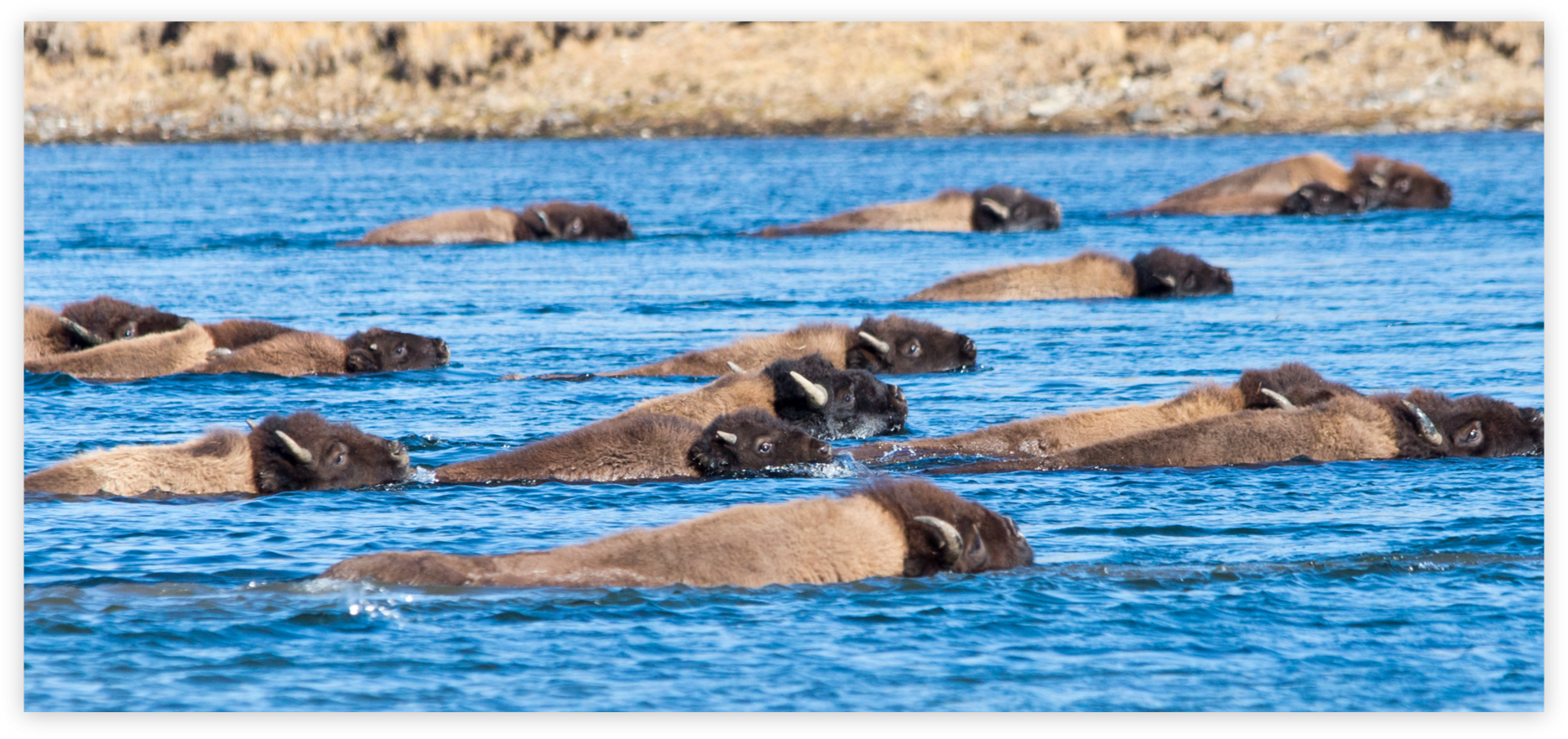
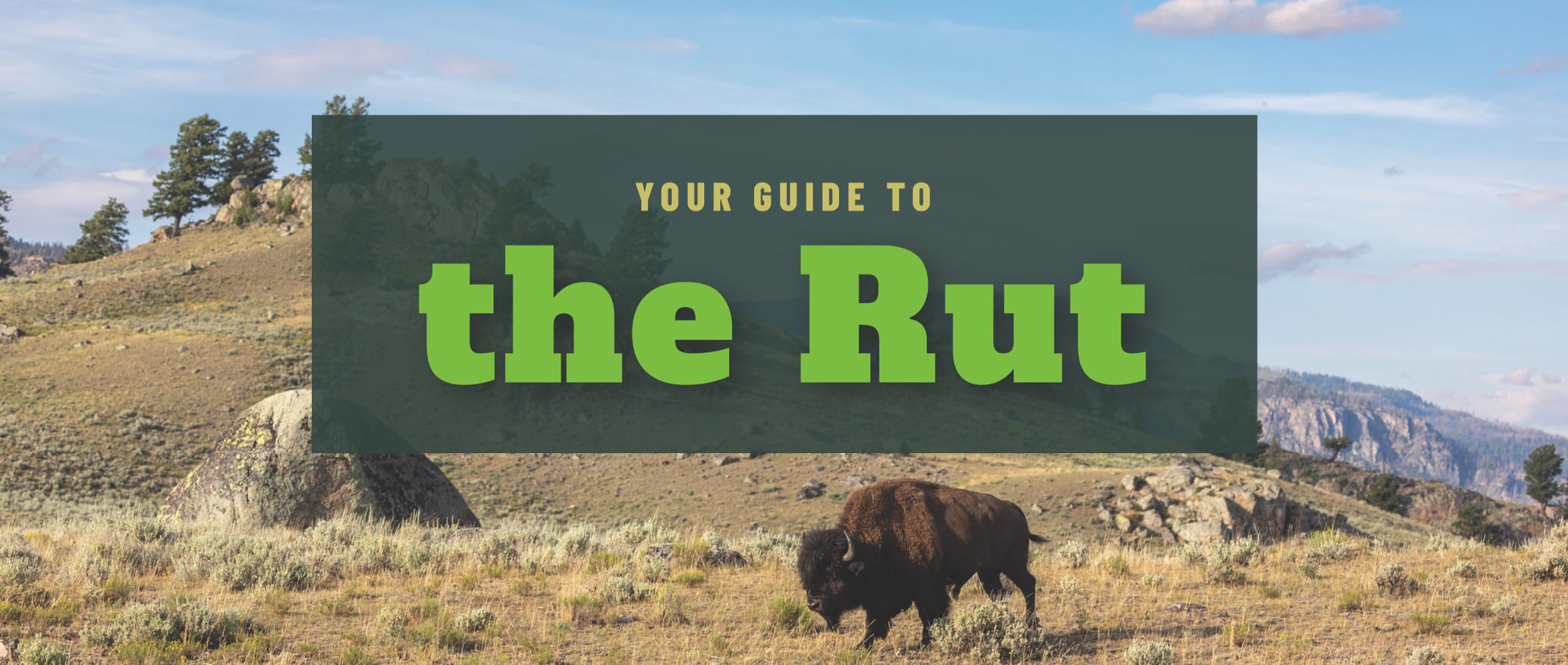
The first ungulate to kick off its breeding season, bison start coming together for rut in mid-July. “Typically, cows and calves are doing their own thing,” says Amanda Hagerty, chief program officer for the park’s partner nonprofit, Yellowstone Forever. “Males are solitary, or form their own groups.” But at the peak of summer, a surge in testosterone prompts the bulls to join the party. Soon, hundreds or even thousands of bison will have congregated in the park’s wide grasslands.
For the bulls, the rut is all about impressing females. “They do something called wallowing—they will roll around in a pit of dust and mud and make a big mess,” says Morgan Jacobsen, communication and education program manager for Montana Fish, Wildlife & Parks. “They get themselves covered in dust as a display of their physical prowess.” It’s not just dirt, either: Bulls will often urinate in the dust first as a way to broadcast their scent.
For the bulls, the rut is all about impressing females. “They do something called wallowing—they will roll around in a pit of dust and mud and make a big mess,” says Morgan Jacobsen, communication and education program manager for Montana Fish, Wildlife & Parks. “They get themselves covered in dust as a display of their physical prowess.” It’s not just dirt, either: Bulls will often urinate in the dust first as a way to broadcast their scent.
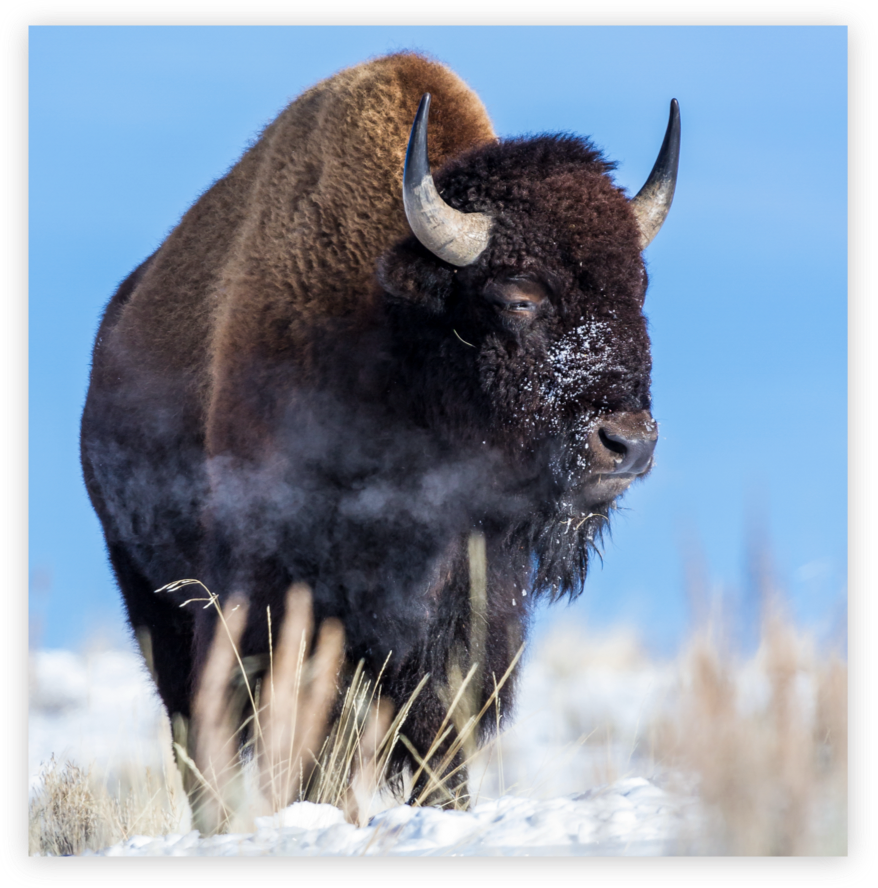
This is also the time of year when bulls get vocal. The males emit a deep, guttural grunting noise, or bellow, to communicate with the rest of the group (sticking their tongues out while they do it). In fact, the word “rut” comes from the Latin “rugire,” or “to roar.”
The bulls are competing for the cows’ affection, which leads to one of the most thrilling bison behaviors to watch: Males walloping other males. Rivals go head to head, locking horns and ramming each other back and forth until one of them cries uncle. With so many testosterone-fueled bulls in close proximity to each other, it’s likely that observers will witness a few tussles. Once a bull succeeds in finding a receptive cow, he’ll follow her around in what’s called a tending bond. Bull bison usually mate with only a few cows before the rut winds down in early September.
Best places to watch: Lamar Valley, Hayden Valley
Elk
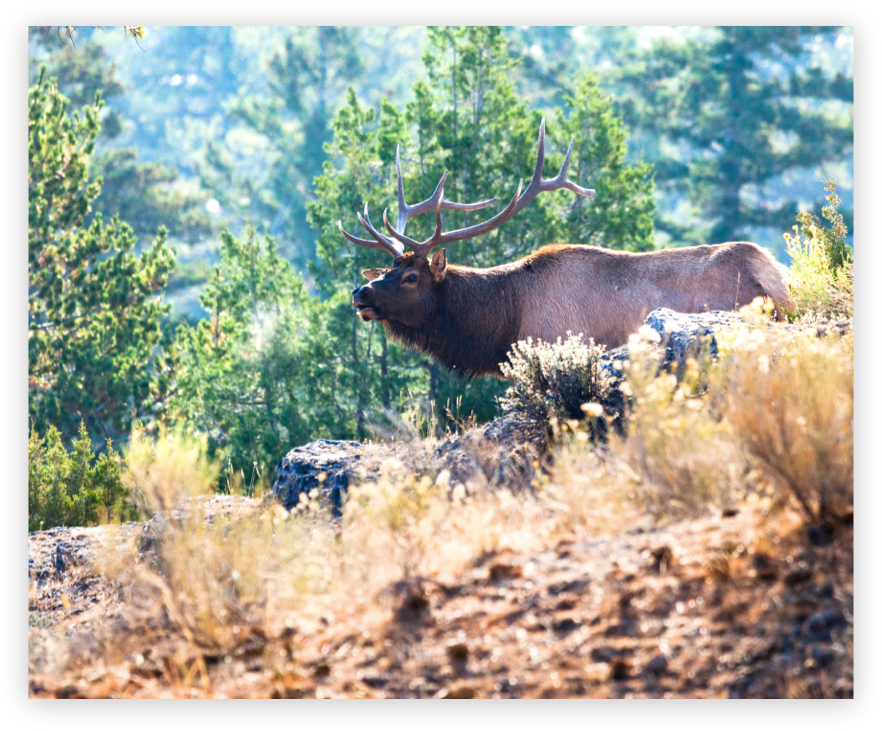
A bull elk’s life starts to get stressful as August gives way to September. That’s when his top job becomes gathering up a group of cows, called a harem, and defending it from other bulls. One of the telltale signs that this process has begun is the iconic sound of the elk bugle: a haunting, high-pitched whistle.
The most dominant bulls are the ones who succeed in assembling harems of 10 to 20 females, showing off their strength by pummeling trees and shrubs with their antlers and posturing to show off how big they are. Elk, like bison, also wallow in the dirt and urinate on themselves. “This is a behavior to induce courtship, but also to let other bulls know, hey, this is my group,” Jacobsen says. Males need to constantly reinforce that point, because other bulls hanging out on the periphery of the harem—called satellite bulls—will periodically try to take over.
The most dominant bulls are the ones who succeed in assembling harems of 10 to 20 females, showing off their strength by pummeling trees and shrubs with their antlers and posturing to show off how big they are. Elk, like bison, also wallow in the dirt and urinate on themselves. “This is a behavior to induce courtship, but also to let other bulls know, hey, this is my group,” Jacobsen says. Males need to constantly reinforce that point, because other bulls hanging out on the periphery of the harem—called satellite bulls—will periodically try to take over.
“They live in a society of challenge,” notes Chris Geremia, wildlife biologist for Yellowstone National Park. And the stakes are high: Winners get to breed with the most females, passing on their genes, while losers limp away without any cows. That’s the best-case scenario for the loser, as these fights can sometimes even prove fatal.
An elk battle often begins with dominance displays. “Sometimes you’ll see them running or trotting parallel to each other to size each other up,” Jacobsen says. “They will use their antlers to spar with each other. You’ll see them spinning around to get an uphill advantage. Really, it comes down to which bull is going to get exhausted first.” Elk don’t face off as often as bison do, so observers will need some luck to catch one of these displays. By early to mid-October, the elk rut comes to an end.
Best places to watch: Mammoth Hot Springs, Swan Lake Flats
With its huge groups of animals gathering in one place, the sounds of bugles and bellows in the air, and the excitement of bulls challenging each other, the rut is an exceptional time to watch wildlife at Yellowstone. “It really takes you back to what North America must have been like once upon a time,” Geremia says. “It’s incredible to see its power and wildness right in front of you.”
Wildlife-Watching Tips
• Elk are crepuscular animals—that is, they’re most active at dawn and dusk. This is especially true during the rut. Venture out early or late for the best chances to see behavior like posturing and fighting. Bison, on the other hand, are active all day.
• Surging testosterone makes bulls aggressive and potentially dangerous during the rut (the park’s YouTube channel is full of clips of elk charging people and ramming into cars). Stay a minimum of 25 yards away from elk and bison. If an animal looks at you or changes its behavior because you’re there, you’re too close.
• Bring binoculars and/or a spotting scope so you can watch the action from a distance. Besides taking photos and video, also consider recording the sounds of bugles and bellows.